
Project Details
Overview
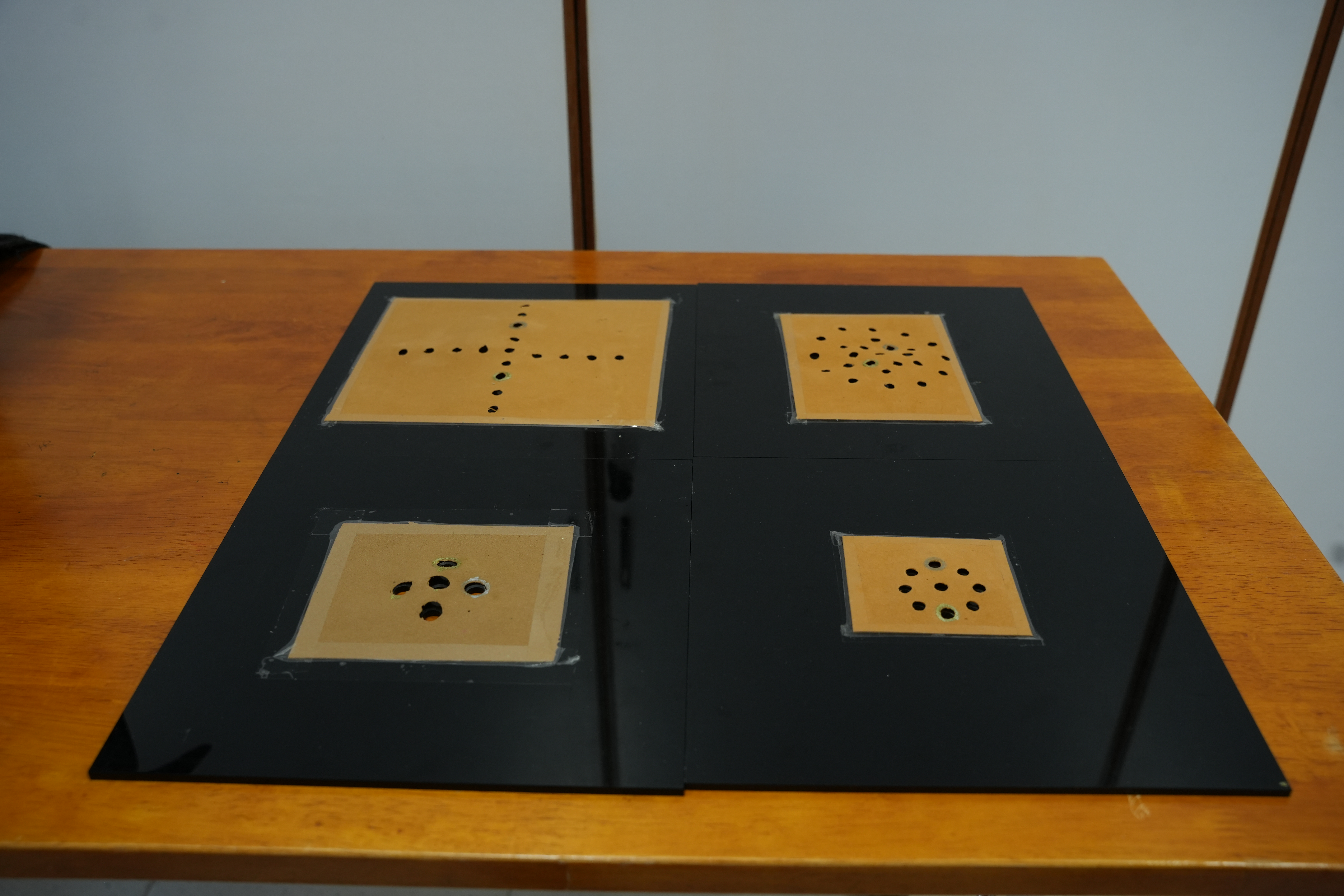
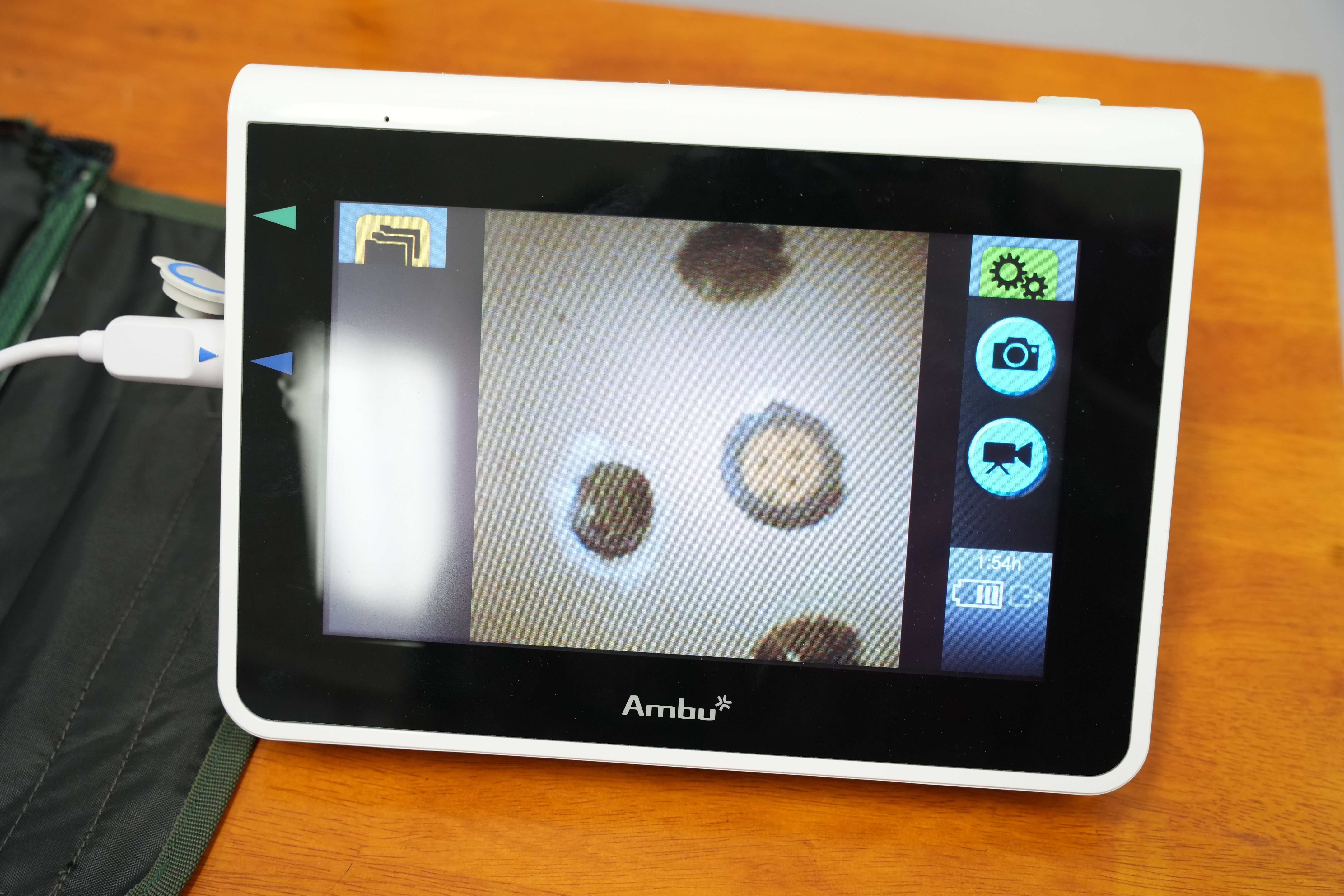
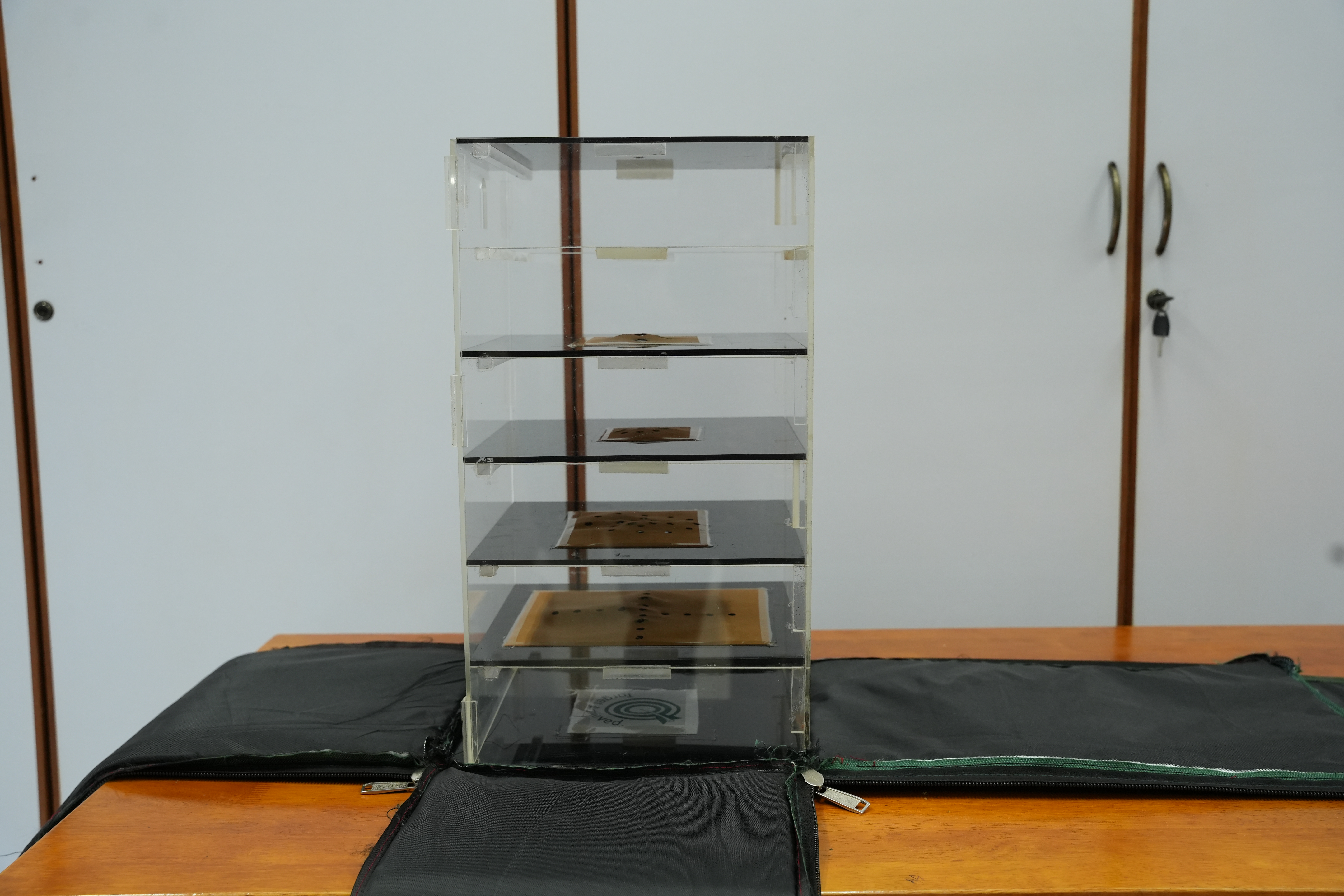
The Intubronch Box is a cutting-edge, multi-layered task trainer designed to mimic the real anatomy of the human airway, providing an essential training tool for anesthesia residents and students. With carefully crafted plates placed at precise distances, the Intubronch Box accurately simulates the bronchus anatomy, enhancing learners' understanding of airway management. The placement and size of the holes within the layers are designed to reflect the natural anatomical features, ensuring a realistic and immersive training experience. This innovative simulator helps build confidence and improve the practical skills of trainees, making it a perfect fit for developing the expertise necessary for successful intubation and airway management.
Key Features:
- Affordable & Durable: Locally sourced ABS (Acrylonitrile Butadiene Styrene) ensures cost-efficiency and durability.
- Adjustable Plates: Configurable airway scenarios simulate various anatomical complexities.
- Skill Development: Provides a safe and controlled environment to practice psychomotor skills required for successful intubation.
Development Approach:
- Material Innovation: Locally sourced ABS plastic was chosen for its lightweight, durable, and cost-efficient properties.
- Iterative Design Process: Feedback loops from anesthesia faculty ensured the trainer met clinical requirements and usability standards.
- Team Collaboration: This project was a collaborative effort made possible by the hard work and dedication of my colleagues, Saleem Shahabuddin, Ghansham Bhagwandas, Saad Shahid, and Saad Amjad, whose expertise and support were instrumental in bringing this trainer to life.
Technologies & Tools:
- Fusion 360: Used to design 3D models of airway structures and trainer components.
- Innovative Design: Adapted from the Oxford Box concept with improvements to suit localized training needs.
Why Fiberoptic Intubation Training is Essential
- Studies show that 3-4% of general anesthesia cases involve difficult airways requiring advanced intubation techniques.
- Poor management of difficult airways is a leading cause of complications during surgery, emphasizing the importance of proper training.
Training Impact:
- Utilized in over 4 training sessions at CIME, benefitting anesthesia faculty and students in mastering fiberoptic intubation.
- Trainees reported an improvement in procedural confidence after completing hands-on sessions with the trainer.
Future Enhancements
- Plans to integrate smart sensors to provide real-time performance metrics.
- Expansion to include more challenging airway scenarios to further enhance the training experience.